A smell inside the cabin in automatic transmission fluid during freezing weather is a check against the manual, not a cue to pour a different product.

What you are looking at
This page is about a cabin smell in the automatic transmission fluid during freezing weather. A sweet smell in the cabin can be coolant at the heater core. A burning smell can be oil on the exhaust. A fuel smell is a reason to stop. Do not keep driving a strong fuel smell to see if it fades. Freezing weather thickens oil, can freeze the wrong washer fluid, and can turn a weak battery into a no-start that is easy to misread as a fluid fault. Use the cold check in the manual. Do not add a thinner fluid than the specification allows just because the morning is cold.
Automatic transmission fluid is specified by the maker's designation, not by the word universal on a bottle. Many later transmissions have no dipstick. The level check, when there is one, is done at a temperature and in a gear position the procedure names. The wrong fluid can cause slip that a top-up will not undo.
What to do before adding any product
Identify the reservoir or the plug for the automatic transmission fluid before you open a cap. Do not add fluid through a plug you have not identified, and do not install CVT fluid, engine oil, or a multi-vehicle fluid the manual does not list.
A steady warning with a normal temperature gauge and no leak under the car can usually wait for a scheduled look. A flashing check-engine light, a hot gauge, a brake warning, or a growing puddle means stop.
- Match the product to the manual specification, not to the color or the shelf tag.
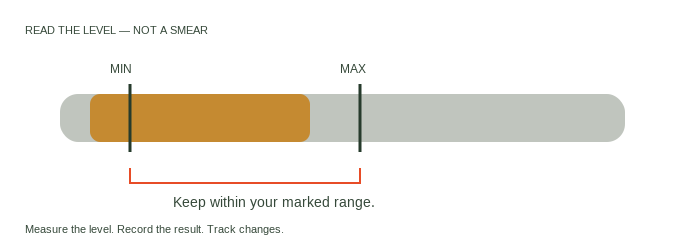
- Measure the level the way that reservoir is designed to be measured.
- Write down the date, the mileage, the product, and how much you added.
- Look again after the car has sat, and look for a fresh drip.
What a shop needs if you hand it over
Tell the shop you are asking about automatic transmission fluid, that the observation is a cabin smell, and that the driving pattern is freezing weather. Give the product name if anything was added, and say whether a warning lamp is on.
Ask them to identify the specification from the manual for this exact engine or transmission before they sell a flush or a different fluid. A flush is not the first step for a leak, a mixed fluid you have not identified, or a level that was simply misread.
Common questions
Can I just top up the automatic transmission fluid?
Only if the level is actually low, you have the specification, and you are not masking a leak or a warning. A steady warning with a normal temperature gauge and no leak under the car can usually wait for a scheduled look. A flashing check-engine light, a hot gauge, a brake warning, or a growing puddle means stop.
Does this driving pattern change the specification?
Freezing weather thickens oil, can freeze the wrong washer fluid, and can turn a weak battery into a no-start that is easy to misread as a fluid fault. Use the cold check in the manual. Do not add a thinner fluid than the specification allows just because the morning is cold. It can change the inspection interval. It does not authorize a different product.
