A color that looks wrong in automatic transmission fluid during short trips is a check against the manual, not a cue to pour a different product.

What you are looking at
This page is about an off color in the automatic transmission fluid during short trips. Color is a clue, not a laboratory result. Fresh fluid has a range the manual or the bottle describes. Milky, rusty, gritty, or suddenly dark fluid is a reason to stop and identify the system before you top it up. Short trips may never warm the oil or the transmission fully. Condensation can collect, and a monitor that counts cold starts can ask for service sooner than a highway car. Do not lengthen an interval because the miles look low.
Automatic transmission fluid is specified by the maker's designation, not by the word universal on a bottle. Many later transmissions have no dipstick. The level check, when there is one, is done at a temperature and in a gear position the procedure names. The wrong fluid can cause slip that a top-up will not undo.
What to do before adding any product
Identify the reservoir or the plug for the automatic transmission fluid before you open a cap. Do not add fluid through a plug you have not identified, and do not install CVT fluid, engine oil, or a multi-vehicle fluid the manual does not list.
A steady warning with a normal temperature gauge and no leak under the car can usually wait for a scheduled look. A flashing check-engine light, a hot gauge, a brake warning, or a growing puddle means stop.
- Match the product to the manual specification, not to the color or the shelf tag.
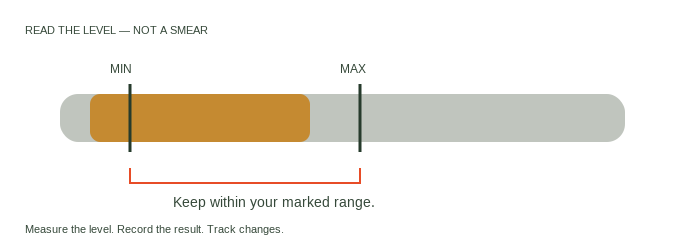
- Measure the level the way that reservoir is designed to be measured.
- Write down the date, the mileage, the product, and how much you added.
- Look again after the car has sat, and look for a fresh drip.
What a shop needs if you hand it over
Tell the shop you are asking about automatic transmission fluid, that the observation is an off color, and that the driving pattern is short trips. Give the product name if anything was added, and say whether a warning lamp is on.
Ask them to identify the specification from the manual for this exact engine or transmission before they sell a flush or a different fluid. A flush is not the first step for a leak, a mixed fluid you have not identified, or a level that was simply misread.
Common questions
Can I just top up the automatic transmission fluid?
Only if the level is actually low, you have the specification, and you are not masking a leak or a warning. A steady warning with a normal temperature gauge and no leak under the car can usually wait for a scheduled look. A flashing check-engine light, a hot gauge, a brake warning, or a growing puddle means stop.
Does this driving pattern change the specification?
Short trips may never warm the oil or the transmission fully. Condensation can collect, and a monitor that counts cold starts can ask for service sooner than a highway car. Do not lengthen an interval because the miles look low. It can change the inspection interval. It does not authorize a different product.
