Identify a leak by combining location, timing, reservoir trends, and vehicle symptoms. Color is only a supporting clue because formulations vary and fluids change with use. Stop safely for pressure warnings, overheating, major loss, or impaired steering or braking, and arrange a confirmed diagnosis.

Make a useful leak record
On a safe level parking surface, use clean cardboard to record the landing point, time, and approximate spread. Mark front and rear so the workshop can understand the photograph. Note recent service, impacts, air-conditioning use, and whether the vehicle was hot or cold. Do not taste a sample, touch it with bare skin, or deliberately inhale vapors. An undertray can carry fluid away from the actual source.
Check systems one at a time
Engine oil has its own dipstick or electronic procedure. Coolant requires cold-system precautions. Brake-fluid reservoir changes need careful attention, and some steering systems are electric with no hydraulic fluid. A transmission may need a workshop-only level process. Match the exact manual to the car before opening caps or plugs. Never pour in a product based solely on the puddle color or a generic image chart.
Prioritize by consequences
A small clear condensation drip after air-conditioning use differs from a falling fluid reservoir or a warning. Substantial oil loss, a pressure message, overheating, changed brake pedal, or heavy steering warrants a prompt safe stop. A workshop should confirm both the fluid and its highest active leak source before repair. Keep waste streams separate and ask the collection facility what it accepts; unknown mixtures may require special handling.
- Record stain location, timing, and recent work.
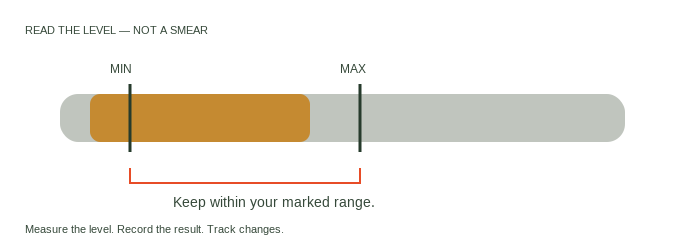
- Check reservoir trends by the manual.
- Separate color clues from positive identification.
- Use symptoms to set urgency.
Common questions
Can smell and color give a final answer?
They can guide an inspection but cannot reliably identify every fluid, especially after contamination or aging.
Should I clean the engine before the appointment?
Photograph the evidence first and ask the workshop. It may prefer to see the original wet trail before controlled cleaning.