Identify the paint code and the depth of the chip, then use a compatible touch-up system on a clean, prepared area. Follow that system’s layering and cure instructions.

Identify the paint system and damage
A color name on a sales listing may describe several paint codes or finishes. Locate the vehicle’s paint identification and order the appropriate product through a reliable application source. Confirm whether the touch-up system requires separate primer, color and clear layers or a different supplied sequence.
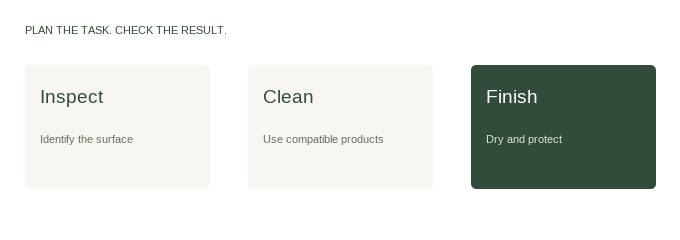
Inspect the chip after washing and drying. Note exposed metal, plastic, rust, a spreading edge or a damaged protective film. A small missing spot and corrosion spreading beneath surrounding paint are different repairs. If the damaged area is growing or the substrate is compromised, arrange assessment before simply sealing over the surface.
Prepare the spot without enlarging the repair
Remove contamination using a cleaner appropriate for the finish and touch-up system. Ford’s paint-damage guidance places cleaning before the repair and directs use of the product’s application instructions. Keep wax, grease, silicone and wash residue out of the area being painted.
Work in the temperature and ventilation conditions required by the paint. Protect nearby surfaces and organize a stable place for the small container and applicator. Apply controlled amounts rather than filling the chip with one large drop. Do not invent a sanding or solvent step that the chosen system does not support.
Allow the correct cure and inspect honestly
Observe the stated waiting times between layers and before washing, polishing or applying protection. Dry to the touch is not always the same as ready for another chemical or abrasive process. Record the product and application date so future detailing respects the repair’s cure requirements.
A touch-up can reduce the visibility of a small defect and protect the exposed area, but the final level and color can remain noticeable. Judge the result in normal light after curing. If you want a nearly invisible result across a larger or conspicuous area, compare a refinishing quote before buying additional correction products.
Prepare a small touch-up job
| Item | Record |
|---|---|
| Paint identity | Vehicle paint code and exact product |
| Damage | Location, substrate and any rust |
| Application | Layer sequence and conditions |
| Aftercare | Cure time and first permitted wash |
Common questions
Is the model’s color name enough to buy paint?
Use the actual paint identification and the supplier’s application information. Similar color names can describe different paint codes.
Can I polish the spot immediately after applying paint?
Wait until the touch-up system permits correction or protection. Follow its cure requirements rather than judging readiness by touch alone.