Buying more fluid in power-steering fluid during hot weather is a check against the manual, not a cue to pour a different product.

What you are looking at
This page is about a purchase in the power-steering fluid during hot weather. Buy from the specification, not from the picture on the shelf. The manual names an approval, a DOT grade, a coolant chemistry, or a transmission designation. A bottle that lists many brands in small type is not that specification. Hot weather raises under-hood temperature and makes a marginal cooling system or a low oil level show up on grades and in traffic. Check levels cold, in the shade, with the engine off, rather than after a heat-soaked drive.
Only a hydraulic steering system has fluid to check. Electric power steering has a motor and no reservoir. If you cannot find a reservoir, confirm the system in the manual before you pour anything into a brake or coolant bottle that happens to be nearby.
What to do before adding any product
Identify the reservoir or the plug for the power-steering fluid before you open a cap. Do not put automatic transmission fluid in the steering reservoir unless the cap or the manual specifically allows that fluid. Do not mix fluids to stop a groan.
A steady warning with a normal temperature gauge and no leak under the car can usually wait for a scheduled look. A flashing check-engine light, a hot gauge, a brake warning, or a growing puddle means stop.
- Match the product to the manual specification, not to the color or the shelf tag.
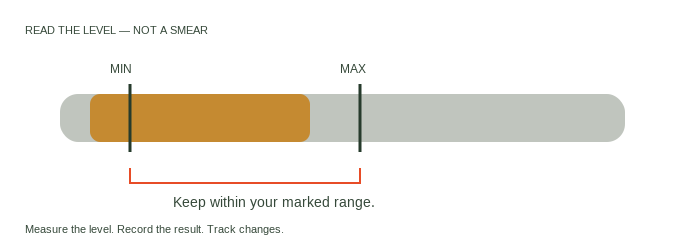
- Measure the level the way that reservoir is designed to be measured.
- Write down the date, the mileage, the product, and how much you added.
- Look again after the car has sat, and look for a fresh drip.
What a shop needs if you hand it over
Tell the shop you are asking about power-steering fluid, that the observation is a purchase, and that the driving pattern is hot weather. Give the product name if anything was added, and say whether a warning lamp is on.
Ask them to identify the specification from the manual for this exact engine or transmission before they sell a flush or a different fluid. A flush is not the first step for a leak, a mixed fluid you have not identified, or a level that was simply misread.
Common questions
Can I just top up the power-steering fluid?
Only if the level is actually low, you have the specification, and you are not masking a leak or a warning. A steady warning with a normal temperature gauge and no leak under the car can usually wait for a scheduled look. A flashing check-engine light, a hot gauge, a brake warning, or a growing puddle means stop.
Does this driving pattern change the specification?
Hot weather raises under-hood temperature and makes a marginal cooling system or a low oil level show up on grades and in traffic. Check levels cold, in the shade, with the engine off, rather than after a heat-soaked drive. It can change the inspection interval. It does not authorize a different product.
