A wet cap or plug in power-steering fluid during high mileage is a check against the manual, not a cue to pour a different product.

What you are looking at
This page is about a wet cap or plug in the power-steering fluid during high mileage. Wetness at a cap, a plug, or a seam is a location clue. It may be the source, or it may be fluid blown back from somewhere higher. Clean it, run or sit the car as the situation allows, and see whether the wetness returns. High mileage does not create a new specification. It does make leaks, consumption, and darkened fluid more likely. A high-mileage bottle is still the wrong product if it misses the approval the manual requires.
Only a hydraulic steering system has fluid to check. Electric power steering has a motor and no reservoir. If you cannot find a reservoir, confirm the system in the manual before you pour anything into a brake or coolant bottle that happens to be nearby.
What to do before adding any product
Identify the reservoir or the plug for the power-steering fluid before you open a cap. Do not put automatic transmission fluid in the steering reservoir unless the cap or the manual specifically allows that fluid. Do not mix fluids to stop a groan.
A steady warning with a normal temperature gauge and no leak under the car can usually wait for a scheduled look. A flashing check-engine light, a hot gauge, a brake warning, or a growing puddle means stop.
- Match the product to the manual specification, not to the color or the shelf tag.
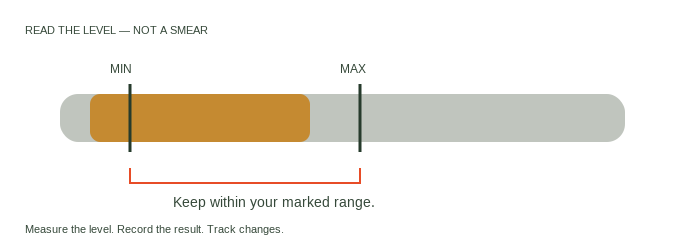
- Measure the level the way that reservoir is designed to be measured.
- Write down the date, the mileage, the product, and how much you added.
- Look again after the car has sat, and look for a fresh drip.
What a shop needs if you hand it over
Tell the shop you are asking about power-steering fluid, that the observation is a wet cap or plug, and that the driving pattern is high mileage. Give the product name if anything was added, and say whether a warning lamp is on.
Ask them to identify the specification from the manual for this exact engine or transmission before they sell a flush or a different fluid. A flush is not the first step for a leak, a mixed fluid you have not identified, or a level that was simply misread.
Common questions
Can I just top up the power-steering fluid?
Only if the level is actually low, you have the specification, and you are not masking a leak or a warning. A steady warning with a normal temperature gauge and no leak under the car can usually wait for a scheduled look. A flashing check-engine light, a hot gauge, a brake warning, or a growing puddle means stop.
Does this driving pattern change the specification?
High mileage does not create a new specification. It does make leaks, consumption, and darkened fluid more likely. A high-mileage bottle is still the wrong product if it misses the approval the manual requires. It can change the inspection interval. It does not authorize a different product.
