Before a long trip, verify the oil level, service due point, correct top-up specification, and any known leak or consumption concern. Do this early enough to resolve problems before departure. A long journey should not become the test drive for an unresolved pressure warning or rapid oil loss.

Review maintenance and the current condition
Check the date and mileage of the last oil service and compare them with the exact manufacturer requirements for time, distance, oil-life guidance, and driving conditions. Towing or unusually demanding use may affect which instructions apply. Check the oil with the car level and under the specified conditions. Inspect accessible cooled areas for fresh leakage. Do not schedule unnecessary oil changes solely because a trip is planned if the proper service is not due.
Pack information as well as supplies
Keep the correct oil specification, manual access, recent service details, and roadside-assistance information available. If carrying top-up oil, choose the approved product and secure its closed container so it cannot leak or move around the cabin. Add a suitable clean funnel, gloves, wipes, and waste bags. These supplies support routine level care; they are not a plan for continuing with an uncontrolled leak or pressure problem.
Plan checks during the journey
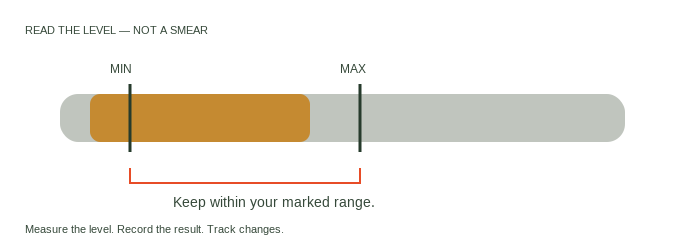
If the engine has a documented consumption pattern, set a sensible checking routine based on the manual and prior measured use. Record any additions and avoid overfilling. Stop safely for a running-engine pressure warning, serious noise, overheating, or major leakage. Roadside personal safety takes priority over opening the hood or placing cardboard beneath the vehicle. Arrange assistance when the fault makes continued operation uncertain.
- Verify service due point before leaving.
- Check level and known leak concerns early.
- Carry the exact specification and securely stored supplies.
- Record top-ups during demanding travel.
Expand the pre-trip check beyond engine oil
Add the other relevant fluids, tires, lighting, visibility and starting concerns to the trip list. Check washer operation before departure and select a washer product suited to the temperatures along the route. A clean windshield and serviceable wipers are separate checks from filling the washer bottle.
Use the monthly maintenance checklist to collect observations, then resolve open issues before the trip. Record the exact fluid and amount for any supported top-up. A repeated coolant loss, changed brake pedal, new oil-pressure warning or overheating symptom needs attention before a long drive, rather than another container placed in the trunk.
A broader departure check
| Area | Before departure |
|---|---|
| Oil and other fluids | Correct checks completed and losses investigated |
| Visibility | Glass, wipers and washer operation checked |
| Tires and lights | Condition and operation checked |
| Open findings | Repairs or inspections completed as needed |
Common questions
Should I change oil right before every trip?
Use the actual service requirements and condition rather than a universal pre-trip rule.
Does carrying a spare bottle make an oil leak safe?
No. Supplies cannot control a major leak or establish adequate running pressure.
