A warning lamp in transfer-case fluid during high mileage is a check against the manual, not a cue to pour a different product.

What you are looking at
This page is about a warning lamp in the transfer-case fluid during high mileage. A warning lamp is a switch or a computer test, not a fluid specification. Read which lamp it is. An oil-pressure lamp, a temperature lamp, a brake lamp, and a check-engine lamp ask for different responses. High mileage does not create a new specification. It does make leaks, consumption, and darkened fluid more likely. A high-mileage bottle is still the wrong product if it misses the approval the manual requires.
A transfer case on a four-wheel-drive vehicle has its own fluid and often its own plugs, separate from the transmission and the axles. Some use automatic transmission fluid. Some use a gear oil. The manual is the only list that matters.
What to do before adding any product
Identify the reservoir or the plug for the transfer-case fluid before you open a cap. Do not service the transfer case by draining the transmission, or the reverse. They are different housings even when they sit close together.
A steady warning with a normal temperature gauge and no leak under the car can usually wait for a scheduled look. A flashing check-engine light, a hot gauge, a brake warning, or a growing puddle means stop.
- Match the product to the manual specification, not to the color or the shelf tag.
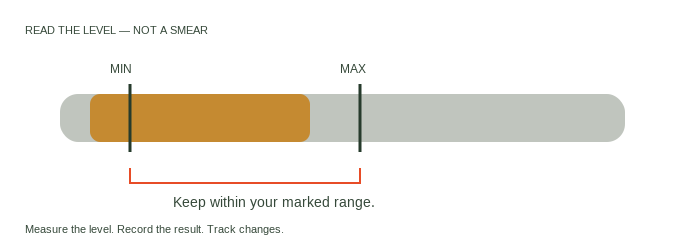
- Measure the level the way that reservoir is designed to be measured.
- Write down the date, the mileage, the product, and how much you added.
- Look again after the car has sat, and look for a fresh drip.
What a shop needs if you hand it over
Tell the shop you are asking about transfer-case fluid, that the observation is a warning lamp, and that the driving pattern is high mileage. Give the product name if anything was added, and say whether a warning lamp is on.
Ask them to identify the specification from the manual for this exact engine or transmission before they sell a flush or a different fluid. A flush is not the first step for a leak, a mixed fluid you have not identified, or a level that was simply misread.
Common questions
Can I just top up the transfer-case fluid?
Only if the level is actually low, you have the specification, and you are not masking a leak or a warning. A steady warning with a normal temperature gauge and no leak under the car can usually wait for a scheduled look. A flashing check-engine light, a hot gauge, a brake warning, or a growing puddle means stop.
Does this driving pattern change the specification?
High mileage does not create a new specification. It does make leaks, consumption, and darkened fluid more likely. A high-mileage bottle is still the wrong product if it misses the approval the manual requires. It can change the inspection interval. It does not authorize a different product.
