There is no universal engine-on or engine-off rule for transmission fluid. The correct process depends on the gearbox and may specify fluid temperature, selector sequence, waiting time, and a level plug or dipstick. Use the exact manual before starting a check.

Identify the transmission first
Find the gearbox type and designation for the model year, engine, and market. A procedure for another car of the same brand can still be wrong. Some manuals require a warm running check in a specified selector position; others use a different sequence or direct the owner to a workshop. A temperature dashboard reading may not be the transmission-fluid temperature required by a service procedure. Do not guess from the handle color.
Read the whole procedure before touching anything
Check the required parking surface, brake use, engine state, selector movement, and safe access. Components can be hot and belts or fans can move. If the process needs a scan tool, underside access, or a specific fill adapter, decide whether a workshop is the sensible option. Never crawl under a car supported only by a jack, and do not open an unidentified plug expecting it to be a level check.
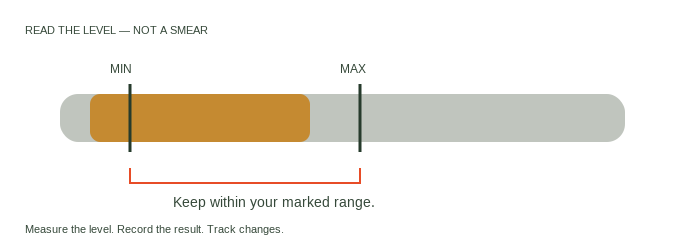
Interpret the reading in its proper conditions
Transmission fluid changes volume with temperature, so a reading obtained under the wrong conditions can lead to an unnecessary top-up and overfill. Use only the required fluid and the prescribed adjustment method if a home adjustment is supported. Record leakage or shift concerns for diagnosis. If the manual says to have the dealer or workshop check it, a generic online shortcut is not a substitute for the specified procedure.
- Confirm the exact gearbox and manual.
- Note engine state and selector position.
- Use the specified fluid-temperature conditions.
- Do not add fluid based on an invalid reading.
Common questions
Is the engine-oil checking method suitable?
No. Engine-oil and transmission-fluid procedures serve different systems and can require different conditions.
Can I check it cold just to be safe?
Only if the specific procedure supports that check and explains how to interpret it.