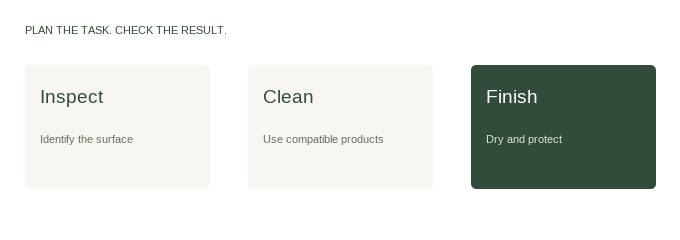
Start with a cool, switched-off engine and identify electrical and intake components before cleaning. Remove loose debris and use targeted cleaning rather than flooding the compartment.

Separate a leak investigation from detailing
If fresh oil or coolant is appearing, document the wet area before cleaning away the evidence. A workshop may need that location and the conditions when it became wet. An engine bay that looks clean is not proof that a leak has been repaired. Arrange diagnosis first when a fluid warning, smoke or strong fuel smell is present.
For routine cleaning, let the engine cool and remove loose leaves or dust from accessible areas. Secure the hood and keep keys or activation devices away as required for the work. Identify the intake, fuse boxes, battery area, ignition components and exposed connectors before deciding where any liquid can go.
Use a targeted product and application
Check the allowed cleaners and protection steps for the vehicle. Ford’s engine-compartment guidance, for example, warns against washing a hot or running engine and directs protection of vulnerable components. Use those kinds of component checks before applying a degreaser, rather than copying a generic hose-down video.
Put a compatible product onto a cloth or a small supported area and work with controlled moisture. Keep chemical and rinse water out of openings, belts and ignition equipment. Do not spray high-voltage parts on a hybrid or EV, remove protective covers or treat orange cables as detailing obstacles to move aside.
Dry, inspect and recheck the original concern
Remove temporary protective coverings when the procedure requires it and confirm that no towel or tool remains in the bay. Check that caps, ducts and covers are secure. Let accessible areas dry according to the cleaning method before returning the vehicle to use.
If the original reason for cleaning was an oily patch, inspect that same area after the appropriate service checks. A new drip, warning or changed running condition needs attention. Keep the photographs and cleaner details with the service record so a technician can distinguish the original symptom from any treatment performed afterward.
Decide what kind of cleaning is appropriate
| Observation | Next step |
|---|---|
| Loose leaves and dust | Controlled dry removal |
| Small known spill | Compatible targeted cleanup |
| Fresh repeated leakage | Document and diagnose |
| High-voltage equipment | Keep away from components and covers |
Common questions
Should I pressure-wash a running engine?
No. Keep the engine off and cool, and avoid forcing water into electrical or intake components.
Will degreaser fix an oil leak?
Cleaning can help reveal where fresh fluid returns. The failed seal, connection or component still needs its own diagnosis and repair.
